
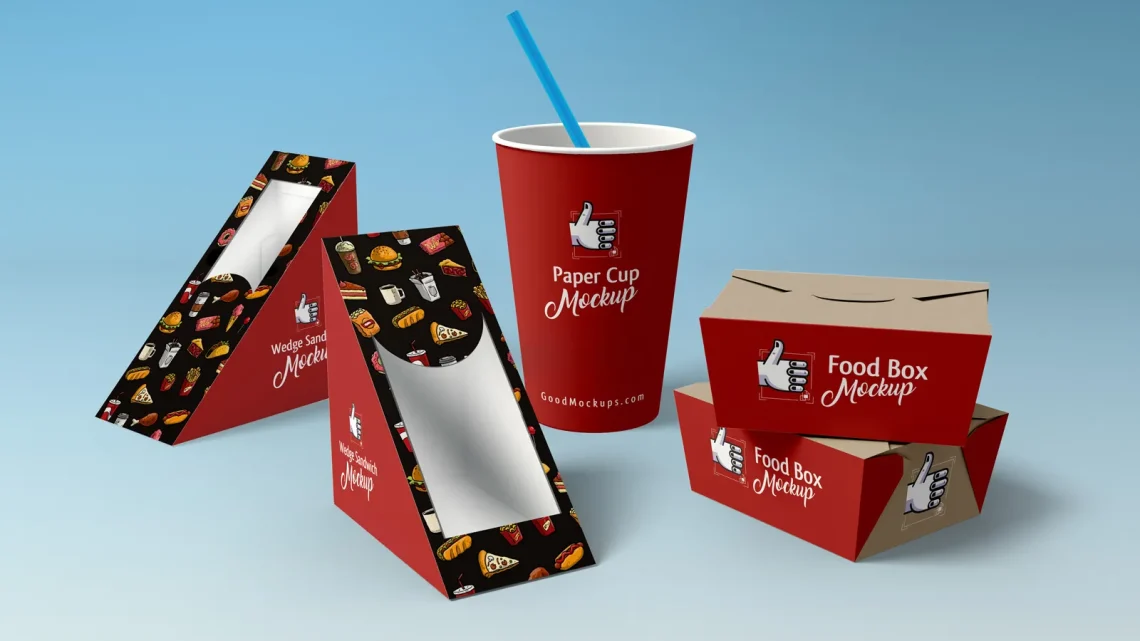
Benefits of reducing food packaging waste in retail
August 11, 2025Reducing waste from retail food packaging is essential for environmental sustainability, economic efficiency and consumer satisfaction. As global awareness of environmental issues increases, reducing packaging waste is becoming a key priority for retailers, manufacturers and consumers. The importance of minimising retail food packaging waste extends across several interrelated aspects:
Environmental protection
Traditional packaging materials, especially plastics, contribute significantly to landfill accumulation and marine pollution. Excessive packaging also leads to the unnecessary consumption of resources such as raw materials, energy and water during production and disposal processes. By reducing packaging waste, retailers can lower the environmental footprint of food products, conserving natural resources and reducing pollution. This helps to mitigate climate change and preserve ecosystems.
Economic efficiency
Excessive packaging increases production and transportation costs due to greater material usage and added weight. These costs can result in higher prices for consumers or reduced profit margins for retailers. Streamlined retail food packaging in Great Britain reduces material and shipping expenses, thereby improving operational efficiency overall. Furthermore, reducing packaging waste can lower disposal and recycling costs, providing additional financial benefits for retailers.
Regulations compliance
Governments around the world, including those in the UK and the European Union, have introduced stricter rules targeting single-use plastics and excessive packaging. Retailers that adhere to these regulations avoid fines, enhance their market reputation and prepare for future legislative changes. Proactively adopting minimal waste packaging also establishes businesses as sustainability leaders, meeting consumer demand for responsible practices.
Eco-responsible brands
Shoppers are more likely to support retailers that are committed to reducing waste and promoting sustainable packaging. Excessive or non-recyclable packaging can deter environmentally conscious customers, damaging brand loyalty and sales. Conversely, minimal waste packaging appeals to environmentally aware consumers, enhancing brand image and attracting a broader customer base.
Finally, reducing packaging waste aligns with the principles of the circular economy, encouraging reuse, recycling and resource efficiency. Retailers that adopt minimal waste packaging contribute to a system in which materials remain in use for longer, thereby reducing dependency on virgin resources and lowering environmental impact. All the listed benefits make waste reduction a vital goal for modern retail food packaging strategies.

